Food plants · Clean lines that don’t stop the line
Food plant cleaning chemicals and sanitation programmes
INNOVA food-plant hygiene covers daily line cleaning, product changeovers, CIP, warewash and room sanitation. Foam cleaners and degreasers remove fat, starch and protein. Peracetic acid and quat sanitisers finish the clean. The Foam Cleaning Machine and ULV Fogging Machine apply them evenly, with less water and labour.
- DPIIT recognised · DIPP258886
- ISO 9001:2015
- GMP (IAF)
- Own aerosol filling line
- MSDS on request · CoA with every batch
By segment
Guides for your type of plant
Bakery cleaning chemicals and sanitation
Bakery soils are baked-on fat and sugar on trays and ovens, dough on mixers and flour dust everywhere. Dry-clean flour…
BakeryBeverageBeverage line CIP and sanitation
Beverage lines leave sugar, pulp, colour and biofilm in pipes, tanks and fillers. Clean them with a chlorinated…
BeverageSnacksSnack and namkeen plant cleaning: fryers, conveyors and floors
Snack and namkeen plants fight fryer oil, starch and seasoning dust. Dry-clean seasoning first, degrease fryers, hoods…
SnacksMeat and poultryMeat and poultry plant sanitation chemicals
Meat and poultry plants carry fat, blood and protein soils that harbour bacteria. Remove gross soil, foam walls, floors…
Meat and poultryChangeoversAllergen changeover cleaning in food plants
An allergen changeover clean removes every trace of the last product before the next one starts. Dry-clean loose…
Allergen changeoverHow food plant cleaning works
Every food plant fights the same four soils: fat, protein, starch and sugar. Each needs the right chemistry. Fat and protein need an alkaline cleaner. Sugar and starch dissolve in warm water but feed microbes if they stay. Hard-water scale needs an acid. Then a sanitiser cuts the microbes left on the clean surface.
The order matters. Remove loose soil first, clean, rinse, then sanitise. A sanitiser on a dirty surface is wasted, because soil uses it up before it reaches the microbes. The Codex General Principles of Food Hygiene set out this order, and FSSAI Schedule 4 asks for a documented programme that follows it.
Closed lines: clean-in-place
Tanks, pipes and fillers are cleaned in place by circulating detergent, rinse water, acid and sanitiser. Beverage lines fight sugar and yeast. Sauce and dairy-based lines fight fat and protein. See beverage line CIP and sanitation.
Open surfaces: foam, then sanitise
Floors, walls, conveyors and machine frames are cleaned by foam. The foam clings, so the cleaner has time to work. After a rinse, a quat or peracetic acid sanitiser finishes the job. Fryer areas in snack plants need a heavy-duty degreaser first.
Changeovers and allergens
When a line switches products, the clean must remove every trace of the last one. That matters most for allergens such as wheat, milk, nuts and sesame. Read allergen changeover cleaning in food plants.
Rooms and air
Cold rooms, packing halls and overhead areas pick up mould and airborne microbes. A ULV fogging machine spreads a fine mist of sanitiser through the room, reaching ceilings and corners that hand spraying misses.
Hands, tools and warewash
People and tools move soil between zones. Hand wash stations, colour-coded tools and a machine warewash for trays and utensils close those gaps.
What we see on site
The problems that fail audits
Sugar and starch residue on beverage lines
Organic soil builds in circuits and feeds microbes.
Heavy fat on fryers and floors
Grease spreads from equipment to floors and drains.
Soft metals and sensitive surfaces
Aluminium and coated parts corrode under strong alkali.
Biofilm and odour
Drains and conveyors harbour biofilm that fails swab tests.
Cross-contamination between zones
Tools move from raw to finished areas.
Cleaning schedule example
Daily, weekly and changeover
An example to start from. We set the real schedule after a site visit, around your soil, water hardness and audit standard.
| When | What to clean | INNOVA products |
|---|---|---|
| Every shift | Product contact surfaces, conveyors, utensils, hands | INNOVA DegreasePro or INNOVA Teepol HD, then INNOVA QuatShield; INNOVA HandCare |
| End of run | Closed lines and tanks by CIP | INNOVA CIP TC86, INNOVA CIP Descale, INNOVA PAA 15 |
| Daily | Floors, walls, drains, fryer surrounds | INNOVA Chlorfoam with the Foam Cleaning Machine |
| Weekly | Overheads, cold rooms, packing areas | Fogging with INNOVA HP35 or INNOVA PAA 15 |
| Changeover | Full allergen or product changeover clean | See the allergen changeover guide |
Beverage circuits
INNOVA CIP TC86 for routine CIP, with INNOVA AntiFoam SIL900 on foam-prone lines.
General CIP
INNOVA CIP TC86 chlorinated detergent, INNOVA AntiFoam SIL900 on foam-heavy lines.
Open surfaces
INNOVA Chlorfoam with the Foam Cleaning Machine, then INNOVA QuatShield.
Sensitive surfaces
INNOVA NeutroKleen where alkali or acid is not appropriate.
Machinery, warewash, hands
INNOVA DegreasePro, INNOVA MaticWash, INNOVA HandCare and colour-coded tools.
Products for food plants
- INNOVA DegreaseProHeavy-duty alkaline degreaser
- INNOVA ChlorfoamChlorinated alkaline foam cleaner
- INNOVA QuatShieldMulti-surface F&B cleaner concentrate
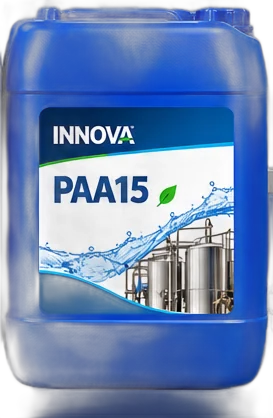
- INNOVA PAA 15Peracetic acid sanitiser, no-rinse grade
- INNOVA MaticWashMachine warewash concentrate
- INNOVA CIP TC86Chlorinated CIP detergent
- INNOVA NeutroKleenNeutral pH cleaner
- INNOVA HandCareIndustrial hand wash
Equipment
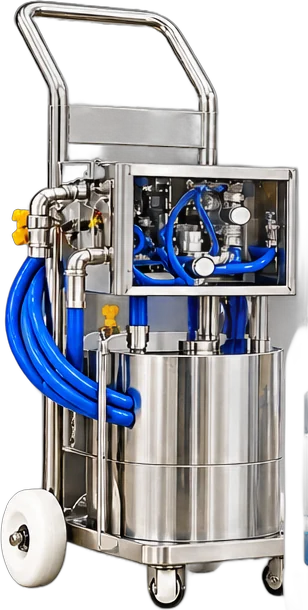
- Foam Cleaning MachineAir-operated foam unit · SS 304
- ULV Fogging MachineULV fogging equipment
- Colour-Coded Cleaning ToolsColour-coded mops and tools
Who we work with
- Beverage and juice plants
- Snack and namkeen units
- Bakery and confectionery
- Sauces, pickles and ready meals
- Central and cloud kitchens
- Food-grade chemical and packaging units
Questions people ask us
What chemicals are used to clean a food processing plant?
An alkaline degreaser or chlorinated foam cleaner for fat, protein and starch, a neutral cleaner for soft metals and sensitive surfaces, a CIP detergent for closed lines, and a sanitiser such as peracetic acid or a quat to finish. In the INNOVA range: DegreasePro, Chlorfoam, NeutroKleen, CIP TC86, PAA 15 and QuatShield.
How often should a food plant be cleaned?
Product contact surfaces are cleaned at the end of each run or shift and at every product changeover. Floors, walls, drains and overhead areas run on a daily and weekly schedule. FSSAI Schedule 4 asks for a documented cleaning programme with records.
What is the difference between cleaning and sanitising?
Cleaning removes soil such as fat, starch and protein. Sanitising then cuts the number of microbes on the clean surface. A sanitiser cannot work through soil, so clean first.
Why use foam cleaning in a food plant?
Foam clings to walls and equipment for 20 to 25 minutes with the INNOVA foam machine, so the chemical has time to work. It uses less water than hosing and you can see where it has been applied.
Do INNOVA products come with SDS and CoA?
Yes. SDS, TDS and food-grade certification on request, and a certificate of analysis with every batch.
See your score in four minutes
Ten questions. A hygiene score and a matched INNOVA programme, straight away.
Sanitiser strengths at a glance
| What | Typical range |
|---|---|
| Peracetic acid (INNOVA PAA 15) | 100 to 200 ppm; no-rinse limit 200 ppm [source] |
| Chlorine (INNOVA Hypo) | 50 to 200 ppm available chlorine; no-rinse limit 200 ppm [source] |
| Quat (INNOVA QuatShield) | 150 to 400 ppm; most no-rinse limits 200 ppm [source] |
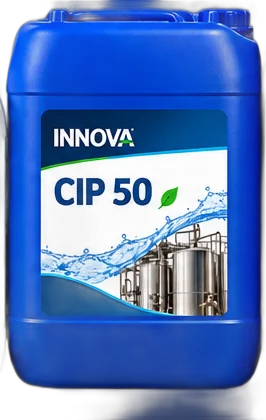
| Alkaline CIP (INNOVA CIP 50) | 0.5 to 2% at 75 to 82 °C [source] |
| Acid CIP (INNOVA CIP Descale) | 0.5 to 1.5% at 55 to 70 °C, 10 to 20 minutes [source] |
Related reading
Standards and references
- ISO 9001:2015, quality management systems (ISO)
- FSSAI Schedule 4: hygiene and sanitary requirements for food businesses
- 21 CFR 178.1010: limits for sanitising solutions on food-contact surfaces (US FDA, via Cornell LII)
- Hydrite: required caustic concentrations for dairy and food CIP
- Jasol: acid CIP use in dairy and food plants (technical sheet)