 Sub-zone A
Bulk milk cooler
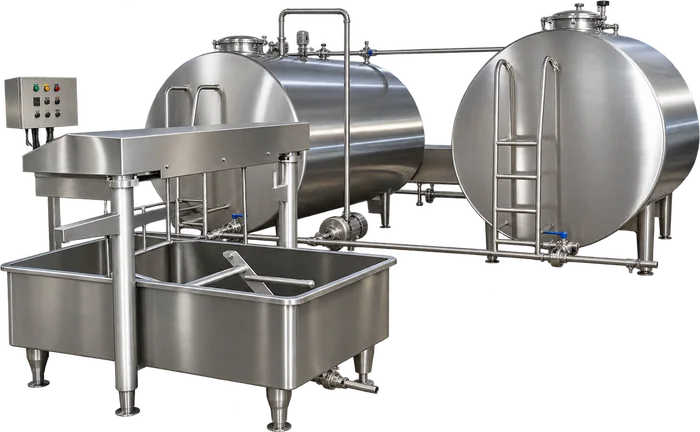
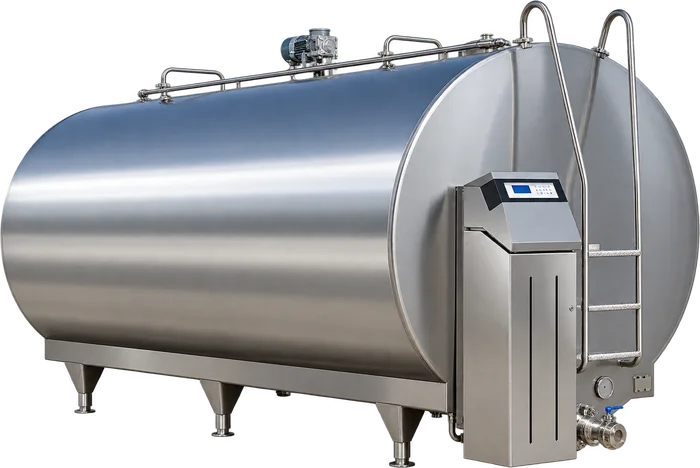
Village and cluster chilled tanks, 200 to 5,000 L. A daily cleaner cum sanitiser after collection, before the next cycle.
+91 78277 29936 · contact@innovachem.in
Plants · Dairy · Farm to dispatch
Milk moves in one direction, and hygiene risk travels with it. Every zone from the milk analyser to the packing hall has its own soil, metal and time pressure. So each one gets its own chemistry, equipment and protocol, not one general-purpose cleaner.
Seven care zones, one hygiene programme
The value case
| Parameter | Commodity soda and acid | INNOVA formulated |
|---|---|---|
| Surface tension | High: poor surface contact | Low: wets and lifts soil |
| Rinsability | Poor: high water use | High: fewer rinse cycles |
| Compliance & impurities | Difficult to control | Controlled, with MSDS and CoA per batch |
| Cleaning downtime | Higher: repeat cleans | Lower: optimised cycles |
| Water, energy & ETP load | Higher | Lower across the cycle |
Low-residue, rinsable formulations for hygiene compliance.
Surfactant actives cut water and effluent load.
Shorter CIP cycles, less downtime per shift.
Lower dosing, fewer re-cleans per litre processed.
Care zone 01 of 07
Ultrasonic and infra-red milk analysers are precision instruments. Residual fat, protein and mineral scale in the measuring cell drift the readings that decide what a farmer is paid.
Fat and SNF readings stay within OEM tolerance across shifts.
Longer service life for ultrasonic and IR cells.
Consistent readings across MCCs, and no payment disputes.
Care zone 02 of 07
Raw milk quality is decided at the collection point. Scale in the chiller, milkstone in the pipeline and residue in the can start the soil load. That lowers MBRT and milk quality, especially where operators are untrained.
Sub-zone AVillage and cluster chilled tanks, 200 to 5,000 L. A daily cleaner cum sanitiser after collection, before the next cycle.
 Sub-zone B
Chiller plates, dump-tank pipeline, silo internals and bends where soil concentrates. CIP-grade detergent plus acid descaling on plates, then cold disinfection.
 Sub-zone C
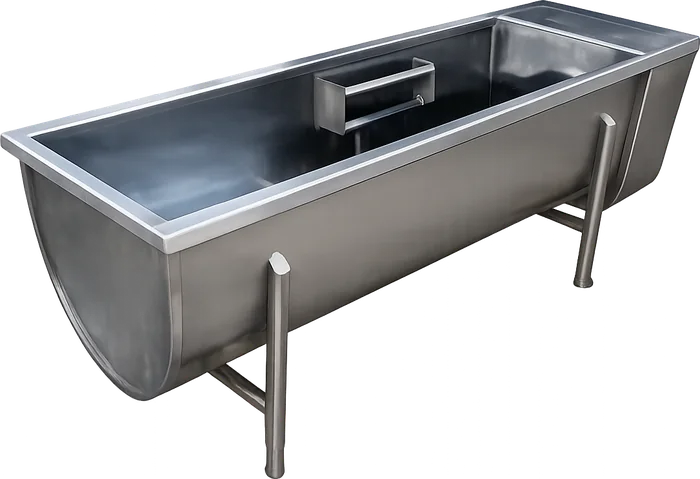
Aluminium, plastic and stainless returnables. Soft-metal-safe alkaline chemistry that clears residue and odour without pitting or blackening.
INNOVA CanClean · INNOVA CrateWash · INNOVA Hypo · INNOVA PAA15
Challenges we address at MCC and BMC
Care zone 03 of 07
Every hour a tanker sits at the CIP bay is an hour off its route. But a rushed clean carries milk soil into the next load. The answer is fast, thorough cleaning and, where possible, no-rinse cold sanitising.
Up to 30 to 40% less CIP time
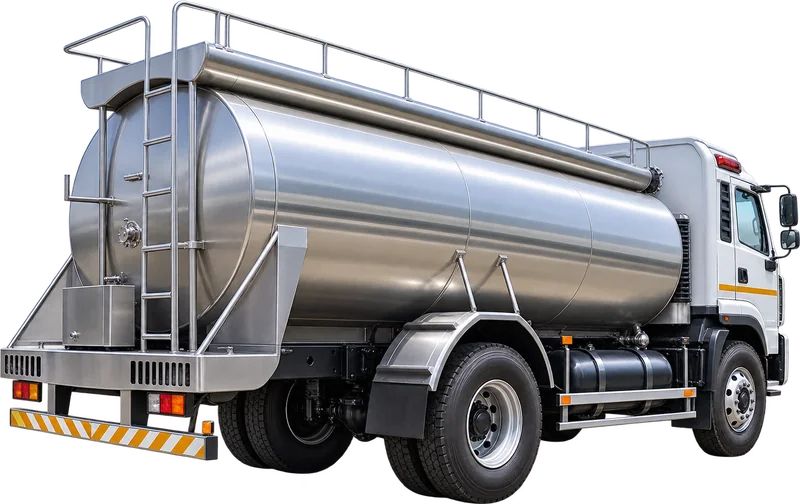
A fast CIP cycle keeps trucks on route.
Better MBRT, with no residue carried forward.
Fewer rinse cycles, lower ETP load.
Assessment support for your CIP bay layout.
Care zone 04 of 07
Application A
Closed loops for pasteurisers, HTST plates, evaporators, silos, balance tanks and cross-plant pipework. Soil removal is balanced against metal compatibility.
Standard cycle
Application B
Manual and foam-applied cleaning for floors, outside tank walls, drains, VAT lines, conveyors and exposed equipment that closed CIP cannot reach.
OPC protocol
Care zone 05 of 07
The last hygiene barrier before a customer opens the pack. Shelf-life failures and coliform counts trace back here. So CIP inside the filler, OPC outside it and environmental hygiene overhead all run together.
Application A
Inside pouch, pack and bottle fillers. Aseptic equipment needs oxidiser sanitising and no chlorinated residue.
Application B
Filler exteriors, conveyor belts, exposed line surfaces, cutting tools and VAT machines, foam-applied for contact time.
Application C
Airborne coliform, mould on ceilings and people hygiene. Aerial fumigation with QAC surface sanitising.
Fix the source, not the symptom. Filler CIP, open-plant cleaning and environmental hygiene run as one schedule. That is what moves coliform counts and shelf life.
Care zone 06 of 07
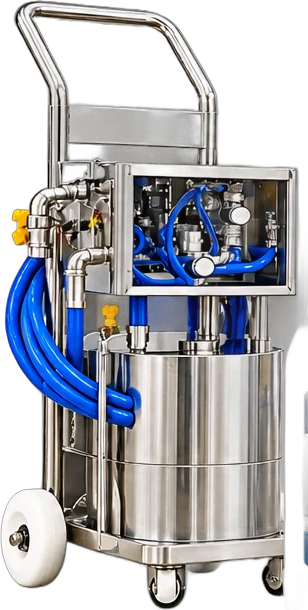
Chemistry alone does not clean. Equipment decides contact time, coverage and consistency. Both machines are SS 304, F&B grade.
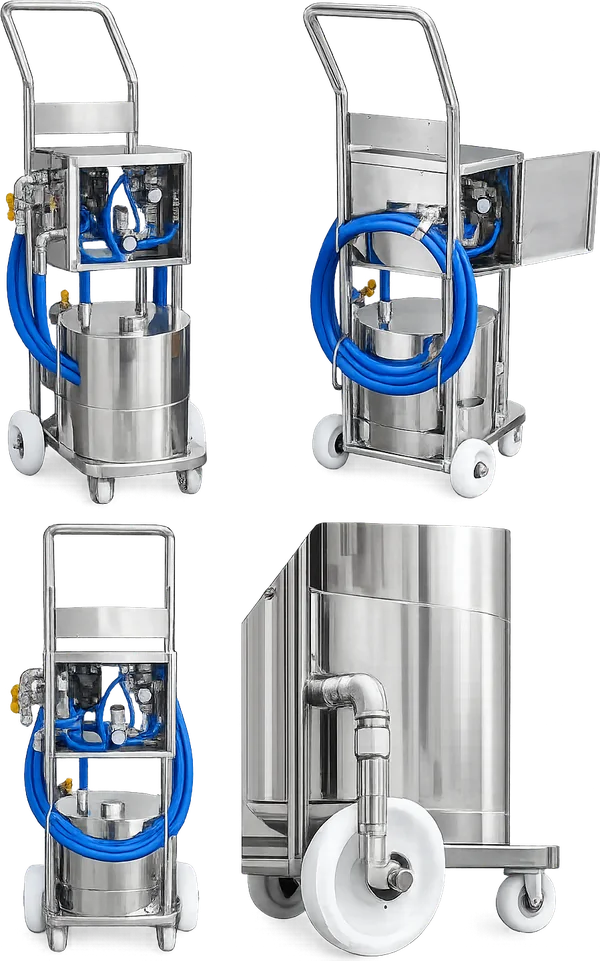
INNOVA series · 01
Air-operated foam applicator for CIP and surface cleaning. Foam clings, so you get the same clean with less water, a longer contact time and better fat, protein and biofilm removal.
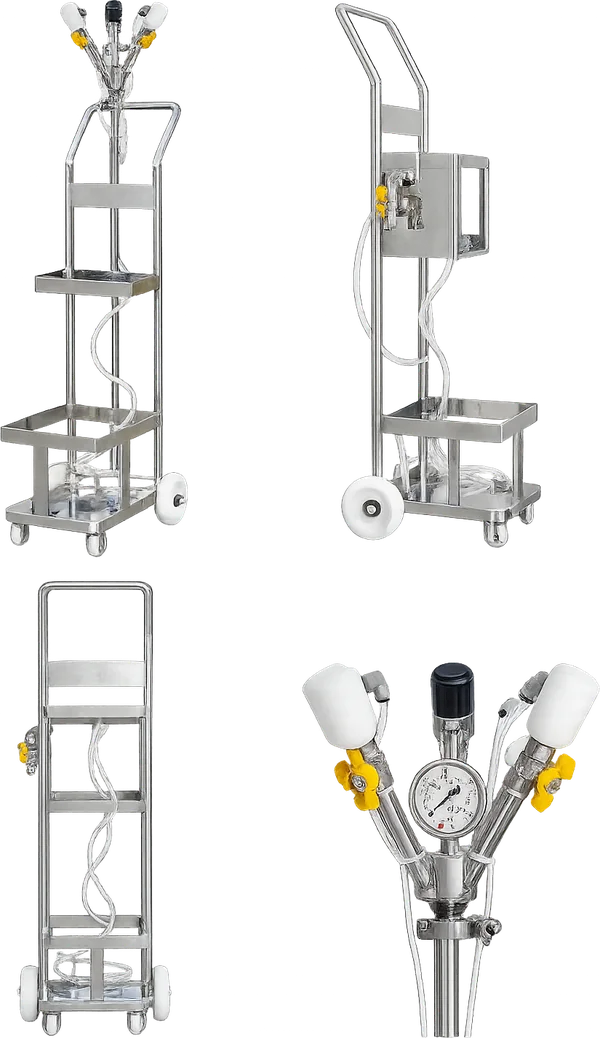
INNOVA series · 02
Fogging and fumigation for airborne sanitation and whole-room disinfection across processing and packing areas, run on a schedule with the INNOVA biocide range.
Care zone 07 of 07
Zone-coded tools stop cross-contamination between raw and finished areas. Training, SOPs and technical support turn products into a working programme.
BMC, MCC, dump tank, tanker unloading
Pasteuriser, evaporator, silos, pipework, filler, conveyor, product contact
Boiler, cooling tower, water treatment
Washrooms, canteen, non-product areas
How the programme runs at your plant
Basic training on handling, dosing and PPE.
Measuring beakers, hand dosing pumps and MSDS packs for each centre.
Local-language SOPs, agreed with your procurement team and laminated at each collection centre.
Visual and ATP swab feedback with consumption tracking. Ongoing, not one-off.
Who we work with
A standard dairy CIP runs a pre-rinse, caustic circulation with INNOVA CIP 50, a final rinse, then cold disinfection with INNOVA PAA15. INNOVA CIP AlkaliPlus boosts the caustic step on heavy soil, INNOVA CIP Descale removes mineral scale, and INNOVA AntiFoam FG controls foam in recirculation.
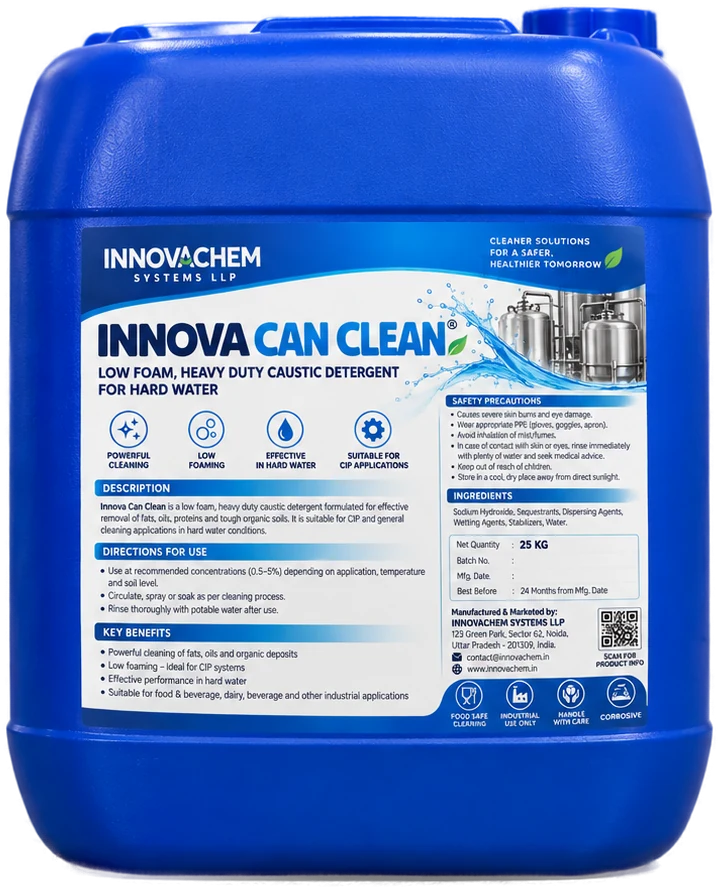
Use a daily cleaner cum sanitiser such as INNOVA CanClean after each collection, then a cold, no-rinse sanitiser such as INNOVA PAA15. Peracetic acid works at low temperature, so it suits collection centres with no hot water.
Run Lacto Daily, a mild alkaline wash, at the end of each testing day to remove fat and protein. Once a week, run Lacto Weekly, an acidic wash, to remove mineral scale from the measuring cell. This keeps fat and SNF readings within OEM tolerance.
It depends on the soil load and your CIP bay. Formulated chemistry wets and rinses faster than commodity caustic and acid, and cuts CIP time by up to 30 to 40%. We assess your bay layout before a trial.
Yes. We supply colour-coded tools by zone (red for raw milk, green for the packing hall, blue for utilities, yellow for amenities), local-language SOPs, dosing kits, training and ongoing ATP efficacy checks.
Trial-ready CIP, OPC and environmental chemistry from farm-level collection to packing hall dispatch, with training, SOPs and efficacy checks included.